Read the sketch, build the full formula, and solve the missing measurement. Practice at your own pace, then switch to Arcade Mode for a 3-minute run where one wrong answer ends the run.
PRACTICE MODETraining Mode
Take your time, retry mistakes, and use Hint or Show Answer when you need help.
Correct0
Streak0
Best streak0
Time—left
CHAINED DIMENSIONS
Find the ? dimension.
Problem 1
Read only the dimensions shown in the sketch.
FORMULA WORKBENCHBuild the full formula. Enter calculates; Enter again checks it.
PROBLEM VALUESTap to insert decimals
Type a formula or tap problem values.
0 in
ARCADE RUN COMPLETE
Run complete.
You cleared 0 missing-dimension problems.
Score0
Best 0Time 3 min
GEAR FROM THE FIELD
Field measuring gear I trust.
The tools I use when a solved dimension has to become real layout instead of just an answer on a screen.
Mr. BidSimpApproved
Affiliate disclosure: BidSimp may earn a commission from qualifying purchases made through the Amazon links below, at no additional cost to you. Learn more.
MEASURE WHAT'S MISSING
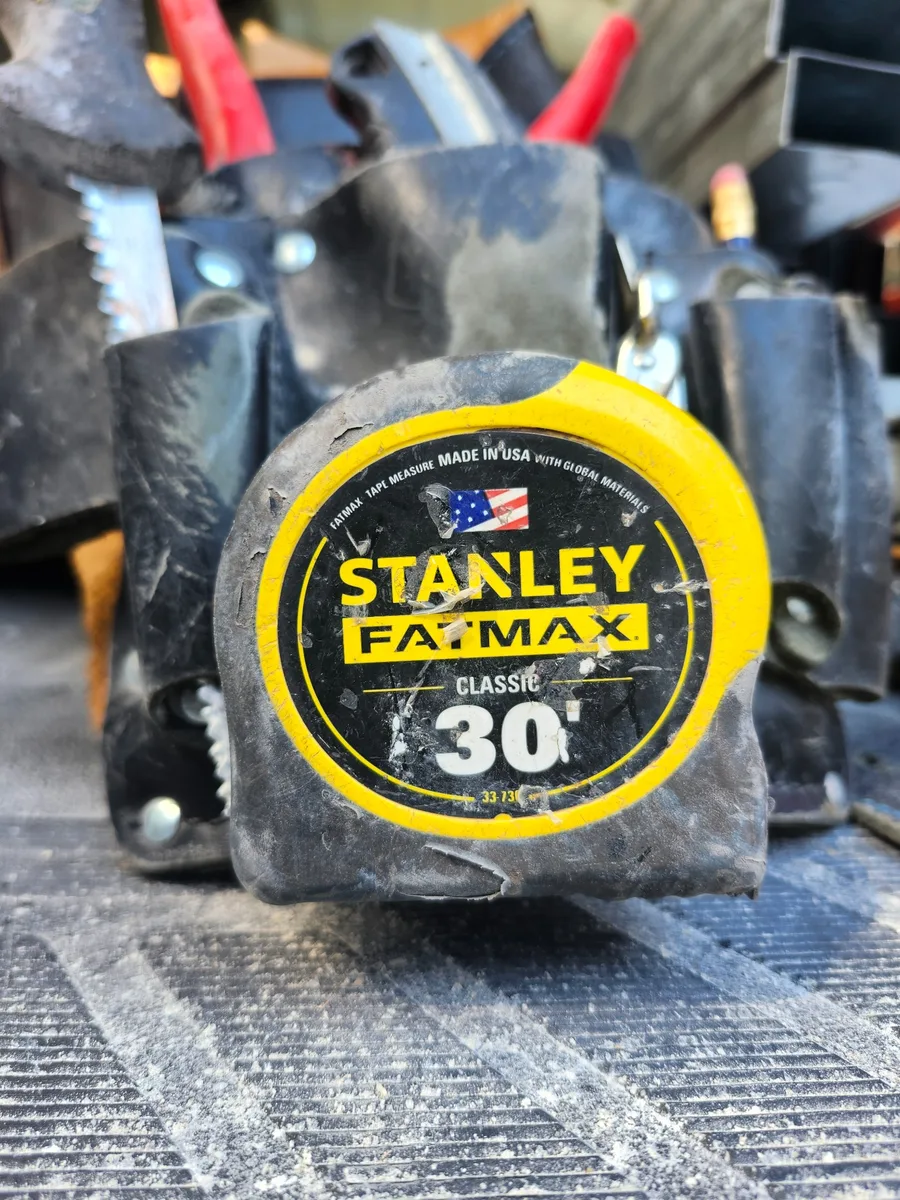
STANLEY FATMAX Tape Measure (30-Foot)
This is the tape I trust when one missing number has to be solved and then laid out for real.
Training aid: This game is for construction dimension and layout practice. Always verify field measurements, drawings, specifications, tolerances, and actual project conditions before fabrication or installation. Terms & Disclaimer
MISSING DIMENSION PRACTICE
Read the relationship before choosing the operation.
Training Mode and Arcade Mode rotate through chained dimensions, centered openings, offset openings, L-shapes, and centered members. Each drawing includes enough information to solve the missing value. The skill is deciding whether the condition requires subtraction, equal division, or both.
CHAINED DIMENSIONSOverall minus the known pieces
When segments add to one controlling overall, subtract every known segment from the overall to isolate the missing one.
CENTERED CONDITIONSRemove the center item, then divide by two
A centered opening or member creates equal clear dimensions on both sides.
OFFSET CONDITIONSDo not divide unless equality is stated
An offset opening uses the overall, opening width, and known side to find the remaining side.
How to identify the controlling relationship
Look first for an overall dimension that spans the full condition.
List every known segment that lies inside that overall.
Determine whether the drawing states or clearly shows a centered condition.
Subtract known widths before dividing equal remainders.
Check that all solved pieces add back to the original overall dimension.
The check is important. A missing dimension can look reasonable and still be wrong if one opening width, member thickness, or chained segment was left out.
WORKED EXAMPLE
3'-0" opening centered in a 10'-0" span
Convert the overall to 120 inches and the opening to 36 inches.
120 - 36 = 84 inches remaining.
The opening is centered, so divide the remainder into two equal sides.
84 ÷ 2 = 42 inches, or 3'-6", on each side.
Check: 42 + 36 + 42 = 120 inches.
Common mistakes
Dividing the overall by two before removing the centered opening or member.
Assuming an offset opening is centered.
Subtracting only one of several known chained dimensions.
Failing to add the solved pieces back to the overall as a check.
Where the skill appears
Door and window openings, centered panels, and feature walls.
Chained plan dimensions and field-verified remaining spaces.
L-shaped rooms, soffits, returns, and stepped conditions.
Equal side clearances around equipment, millwork, and framing members.

 MEASURE WHAT'S MISSING
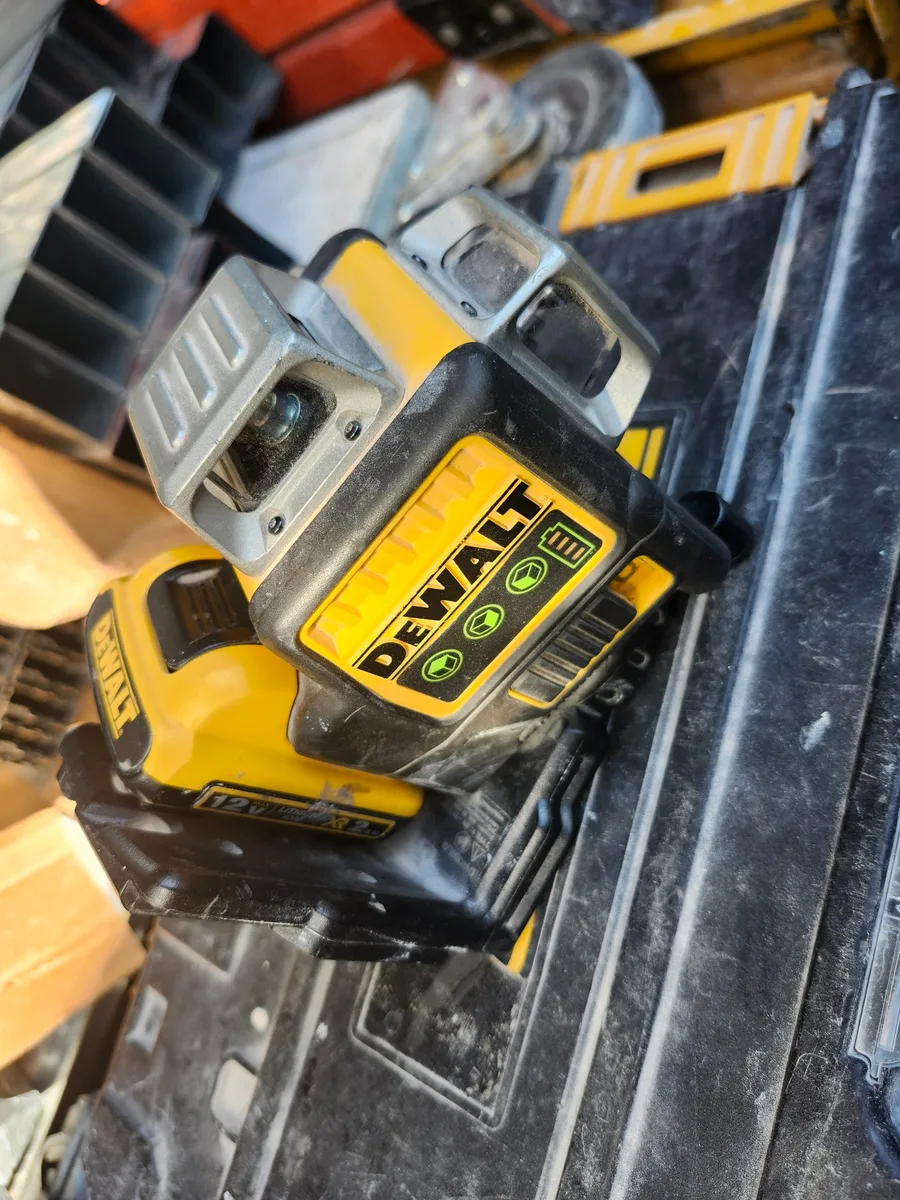 REFERENCE LINE
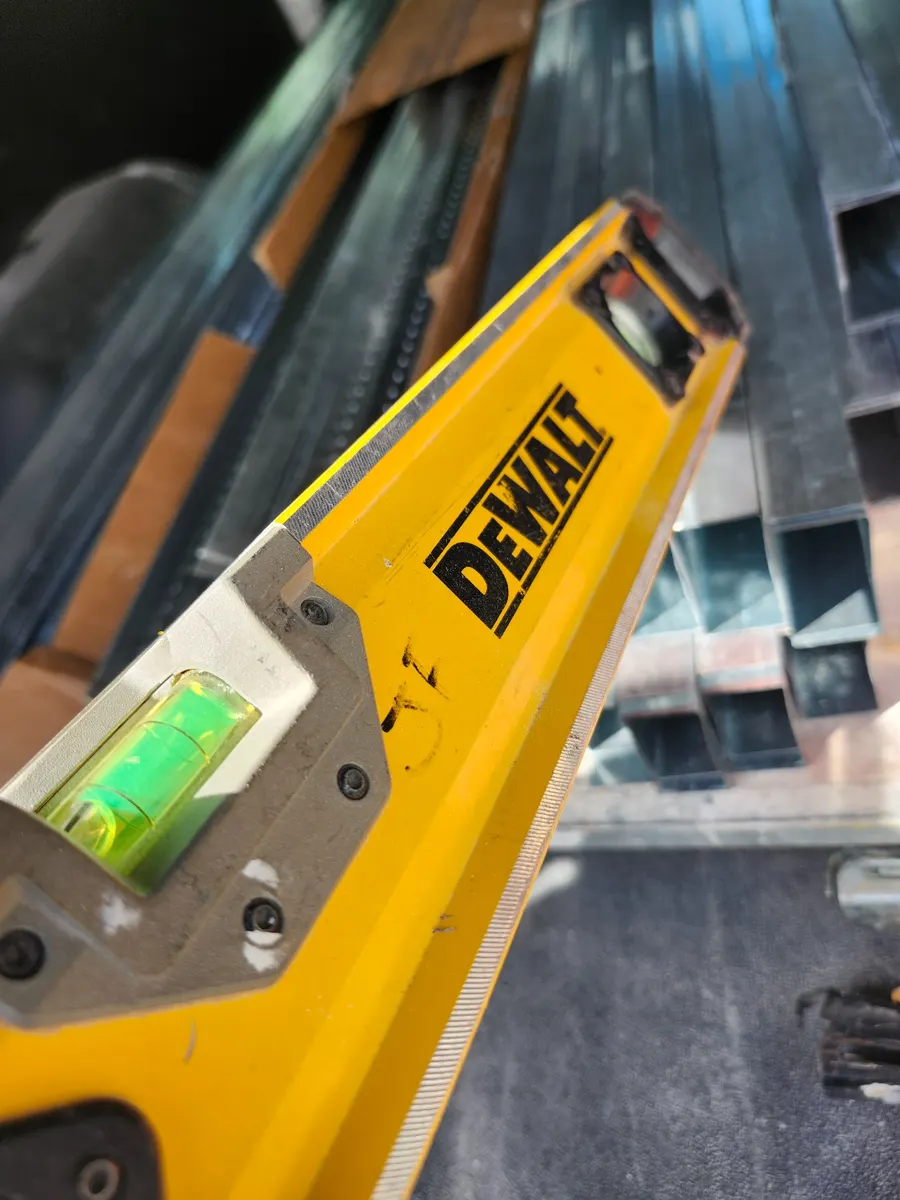 VERIFY THE RESULT