

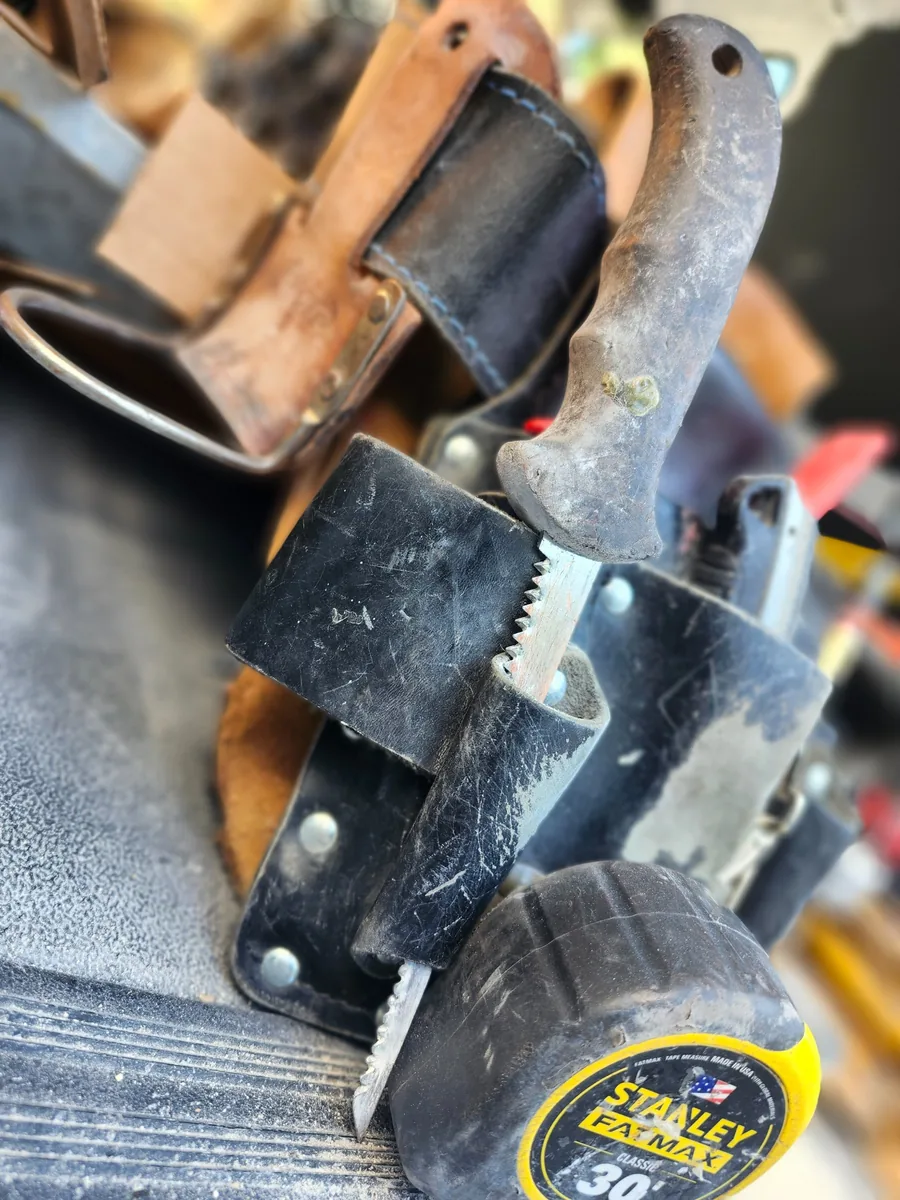
 MY FAVORITE SAW
Shark 10-2206 Rockeater Drywall Saw
The best keyhole saw I've ever used. The thin, narrow blade makes plunge cuts, tight turns, and clean drywall cuts easy.
View on AmazonBIDSIMP ARCADE · DRYWALL DROP
Boards fall automatically. Move them left or right, rotate the pieces that need it, and rock each wall from left to right. Three mistakes and the run is over.
READY?
Move. Rotate. Drop. Three mistakes ends the run.
Tall-wall rounds stagger the horizontal end joints, and some falling pieces can have more than one correct landing spot. Door rounds keep joints away from opening corners.
Keyboard: Left / Right arrows to move. Hold to move faster. Up arrow or R to rotate. Space or Down arrow to drop.
GEAR FROM THE FIELD
Three tools from my own van that I actually reach for on drywall work.
Affiliate disclosure: BidSimp may earn a commission from qualifying purchases made through the Amazon links below, at no additional cost to you. Learn more.
MY FAVORITE SAW
The best keyhole saw I've ever used. The thin, narrow blade makes plunge cuts, tight turns, and clean drywall cuts easy.
View on Amazon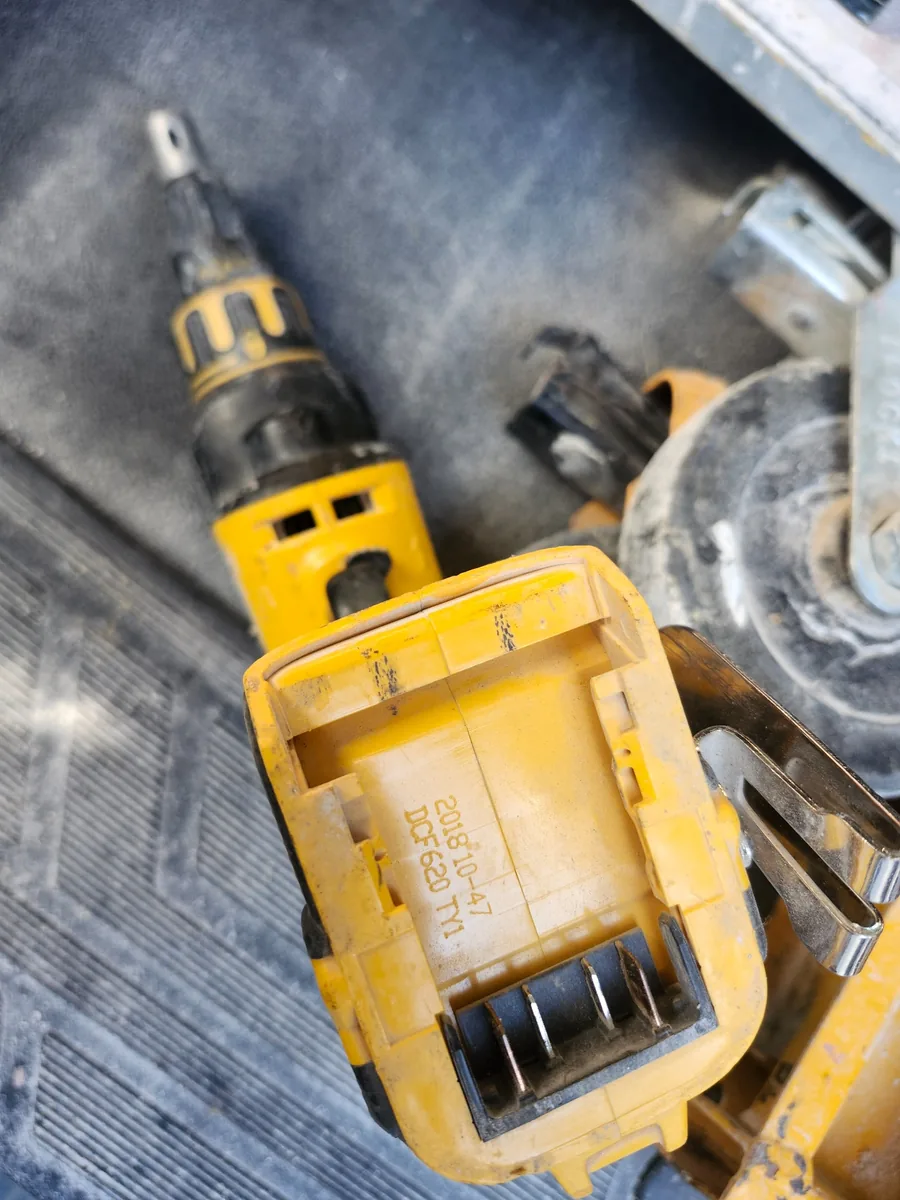 MY DRYWALL GUN
I've used the previous generation since 2018 and it still runs perfectly. Light, balanced, and still my favorite cordless drywall gun.
View current model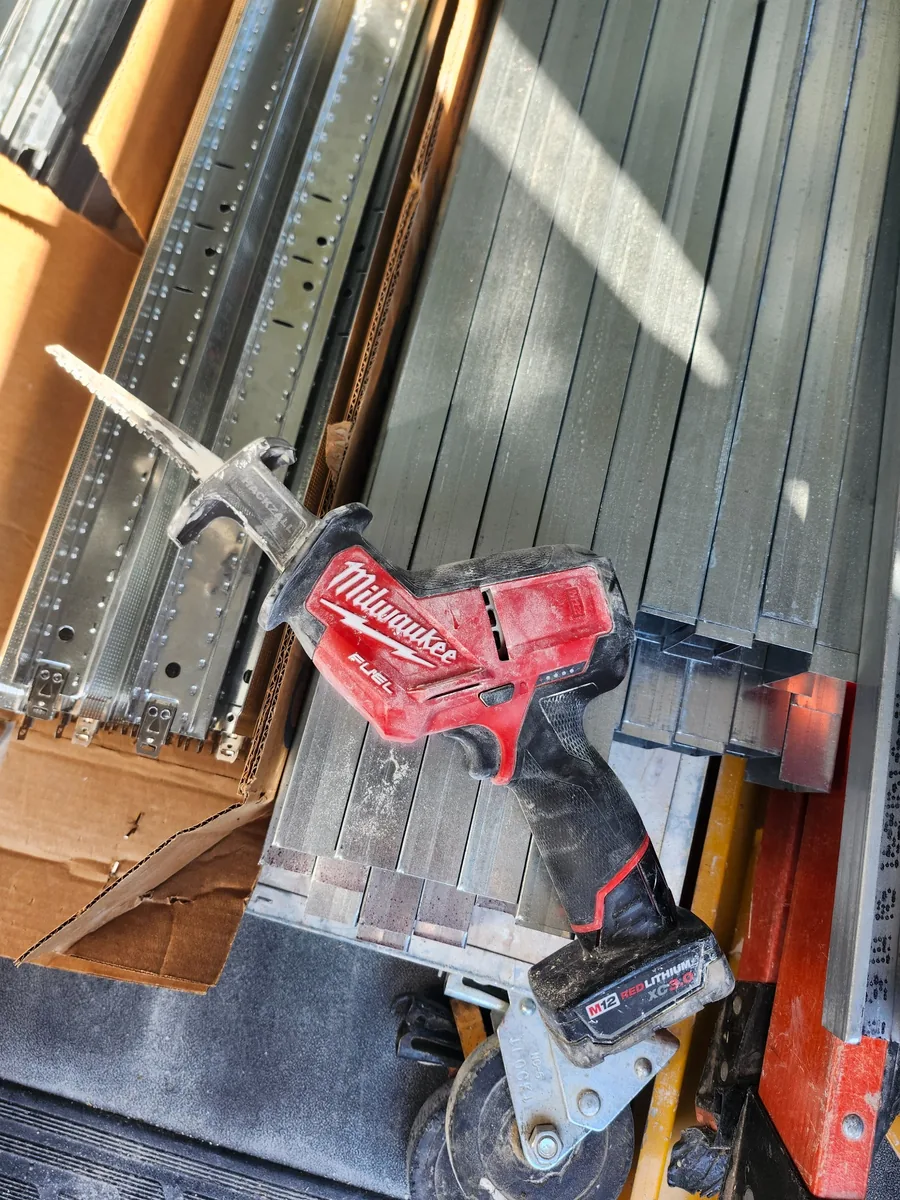 PATCH & DEMO
Light and easy in the hand. I use it to open drywall, clean up patches, and handle light demo without dragging out a full-size Sawzall.
View on AmazonArcade training aid: Drywall Drop uses simplified, preplanned wall layouts to practice visual board placement, opening-joint awareness, and staggered end joints. Tall-wall rounds intentionally limit the available pieces to 8' and 4' stock so the stagger becomes part of the game. Actual panel orientation, board lengths, joint locations, fastening, rated-assembly requirements, framing direction, tolerances, and installation sequence must follow the project drawings, specifications, tested assembly, manufacturer instructions, and field conditions. The game always advances left to right for consistent play; that is not a universal installation requirement. Terms & Disclaimer
DRYWALL LAYOUT PRACTICE
Drywall Drop is an arcade game built around simplified wall-layout decisions. Boards fall in front of visible 16-inch framing. Early walls use full-height 8-foot boards, then introduce perimeter rips, pre-cut door-opening pieces, and 12- or 16-foot walls assembled from 8-foot and 4-foot stock with staggered horizontal joints.
Vertical board edges must finish on a valid framed line so the next piece has support.
Rips and shaped door pieces may need rotation before landing. Factory and cut edges are visually identified.
Alternate 8-foot and 4-foot pieces so adjacent end joints do not form one continuous horizontal line.
The left-to-right sequence is a game rule. It keeps the falling-piece decisions readable and consistent. It is not a universal drywall installation requirement.
TALL-WALL EXAMPLE
The game makes the alternating pattern visible, but actual board orientation and joint layout must follow the approved assembly and project requirements.