
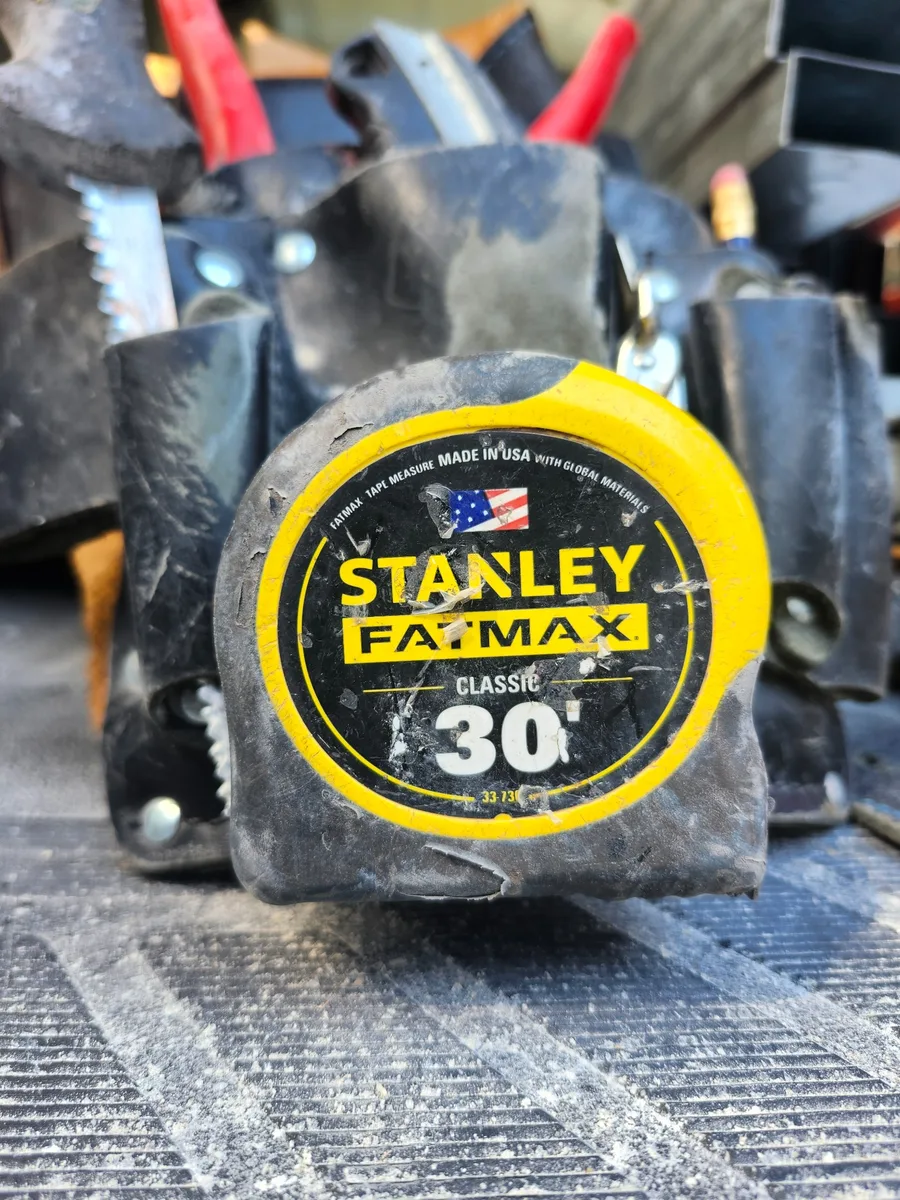
 THE REAL-WORLD VERSION
STANLEY FATMAX Tape Measure (30-Foot)
This is the tape I actually use every day. The markings, proportions, and feel are why I keep coming back to it.
View on AmazonTAPE MEASURE TRAINER
Practice reading common construction measurements straight from a tape. Train at your own pace, then switch to Arcade Mode for a 60-second run where one wrong measurement ends the run.
APPRENTICE
YOUR MEASUREMENT
Enter the whole inches, choose a fraction, then check your measurement.
Targets land on whole, half, or quarter-inch marks. The smaller tape marks stay visible.
Targets can land on any eighth-inch mark, so the tick hierarchy starts to matter more.
Any 1/16" mark can be the answer. Read it cleanly or an Arcade run is over.
GEAR FROM THE FIELD
These are the tools I use when tape-reading practice turns into real layout and installation.
Affiliate disclosure: BidSimp may earn a commission from qualifying purchases made through the Amazon links below, at no additional cost to you. Learn more.
THE REAL-WORLD VERSION
This is the tape I actually use every day. The markings, proportions, and feel are why I keep coming back to it.
View on Amazon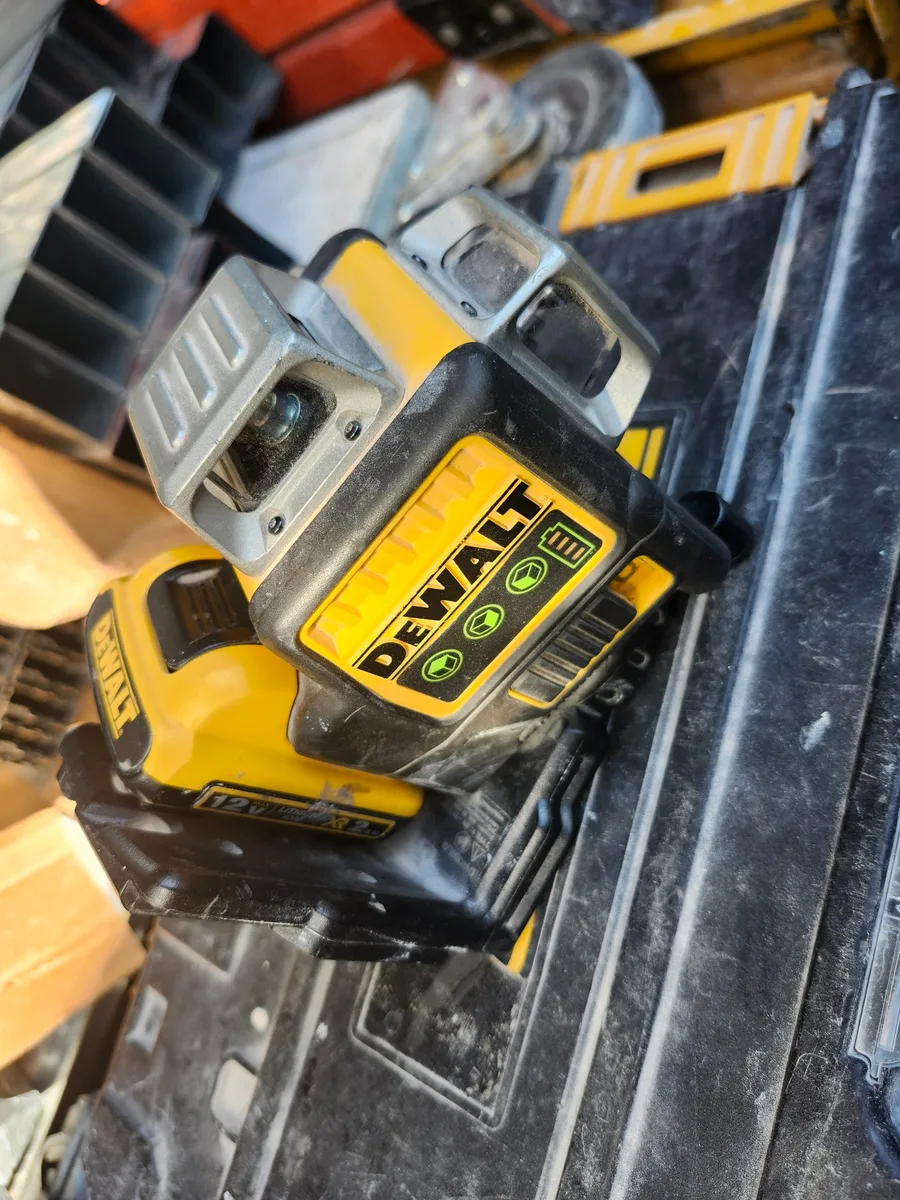 CARRY THE MARK
Once I read the tape and know the dimension, the laser helps carry that reference through the space.
View on Amazon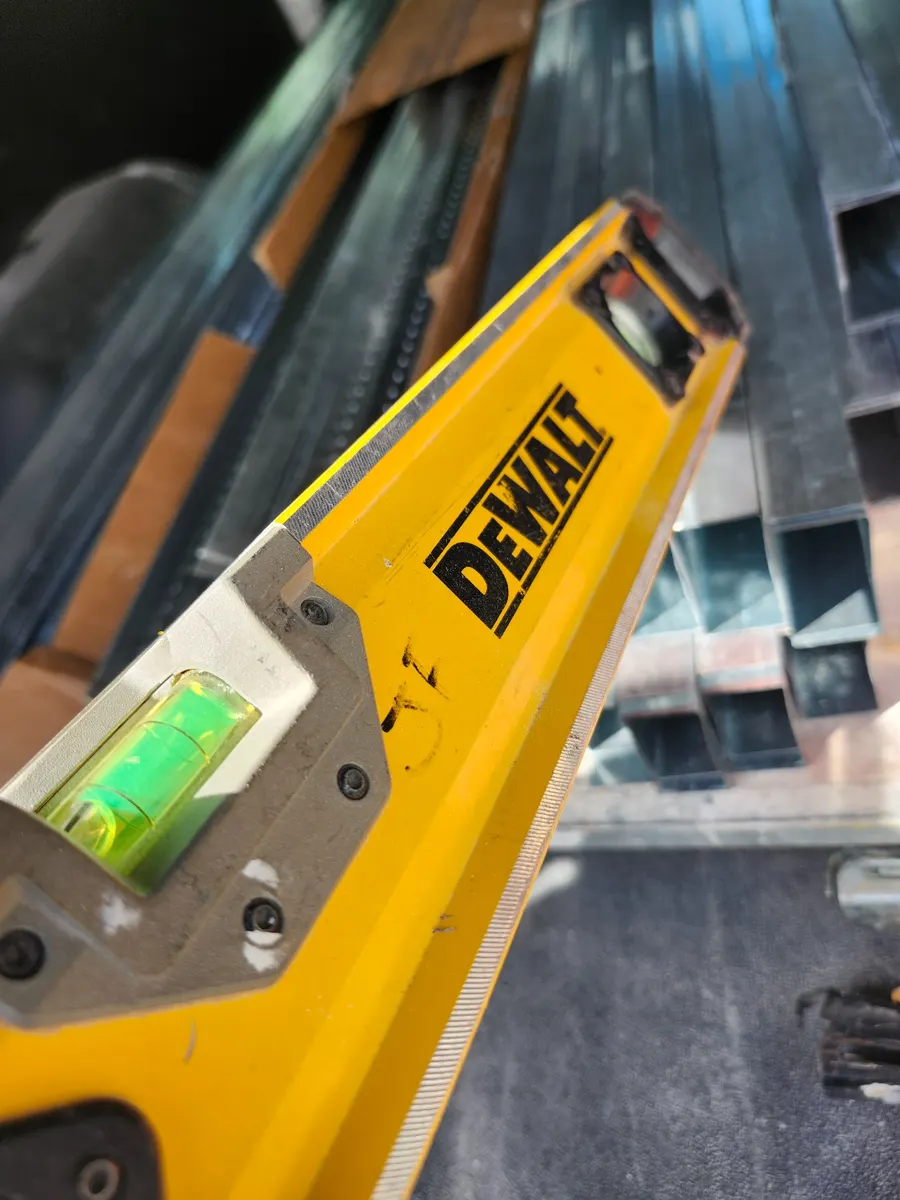 MAKE IT TRUE
Strong magnets, a tough body, and a size I actually reach for when measured work needs a quick field check.
View on AmazonTraining aid: This trainer is for tape-reading practice only. Always verify actual field measurements, required tolerances, material dimensions, drawings, and specifications before cutting or fabrication. Terms & Disclaimer
TAPE MEASURE READING GUIDE
The trainer shows a realistic six-inch section of tape and points to one mark. Training Mode lets you practice quarters, eighths, or sixteenths at your own pace and retry mistakes. Arcade Mode starts at Apprentice and automatically moves through Journeyman and Expert as your score rises during a 60-second run. One incorrect measurement ends the Arcade run immediately.
The half-inch mark is the longest line between two whole-inch marks and divides the inch into two equal parts.
Quarter marks are shorter than the half but longer than the eighth and sixteenth marks.
Use nearby longer marks as anchors instead of counting every small line from the whole inch.
For example, a mark three sixteenths past 1/2 inch is 8/16 + 3/16 = 11/16. This hierarchy is faster and less error-prone than counting eleven tiny marks from the beginning of the inch.
WORKED EXAMPLE
The fraction is already reduced because 11 and 16 have no common factor.