
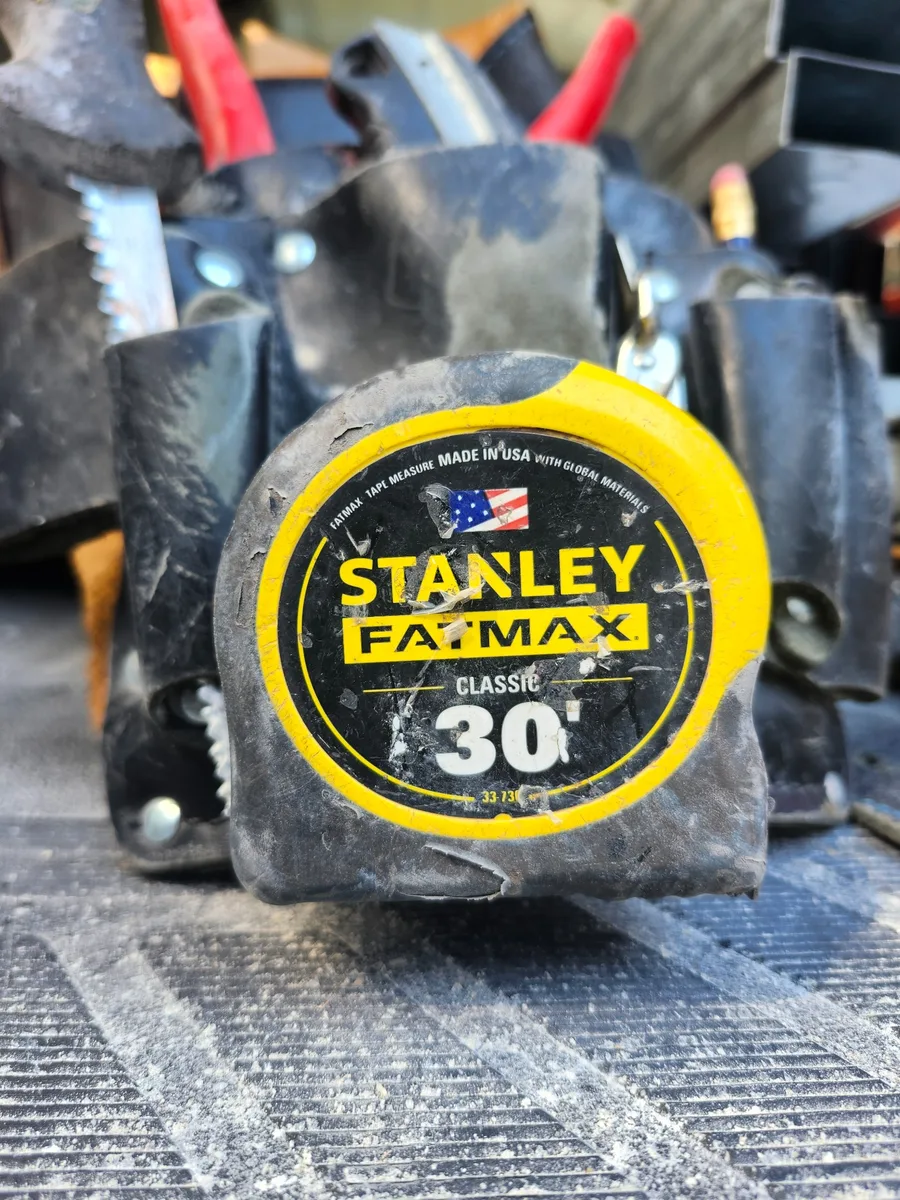
 THE TAPE BEHIND THE MATH
STANLEY FATMAX Tape Measure (30-Foot)
Fractions are not abstract in the field. This is the tape I use to turn the number into a real mark.
View on AmazonCONSTRUCTION MATH TRAINER
Practice the tape-measure math behind accurate field work at your own pace, then switch to Arcade Mode for a 60-second run that gets harder as you score.
ADD
Problem 1Inputs stop at 1/4". Halving can create 1/8" answers.
Inputs stop at 1/8". Halving can create 1/16" answers.
Inputs stop at 1/16". Halving can create 1/32" answers.
GEAR FROM THE FIELD
The numbers matter because eventually they have to land on real material.
Affiliate disclosure: BidSimp may earn a commission from qualifying purchases made through the Amazon links below, at no additional cost to you. Learn more.
THE TAPE BEHIND THE MATH
Fractions are not abstract in the field. This is the tape I use to turn the number into a real mark.
View on Amazon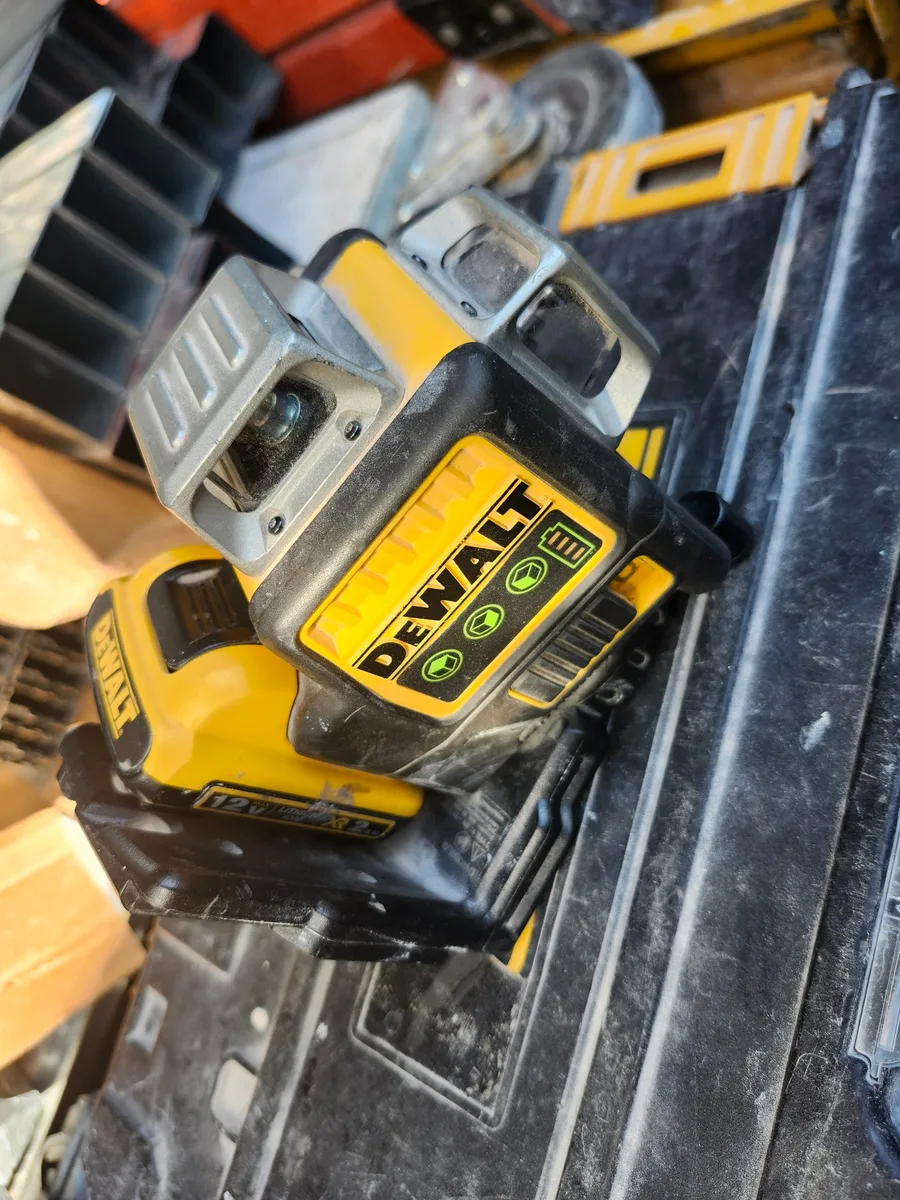 CARRY THE NUMBER
I use this constantly when a calculated elevation or layout line has to stay consistent across the room.
View on Amazon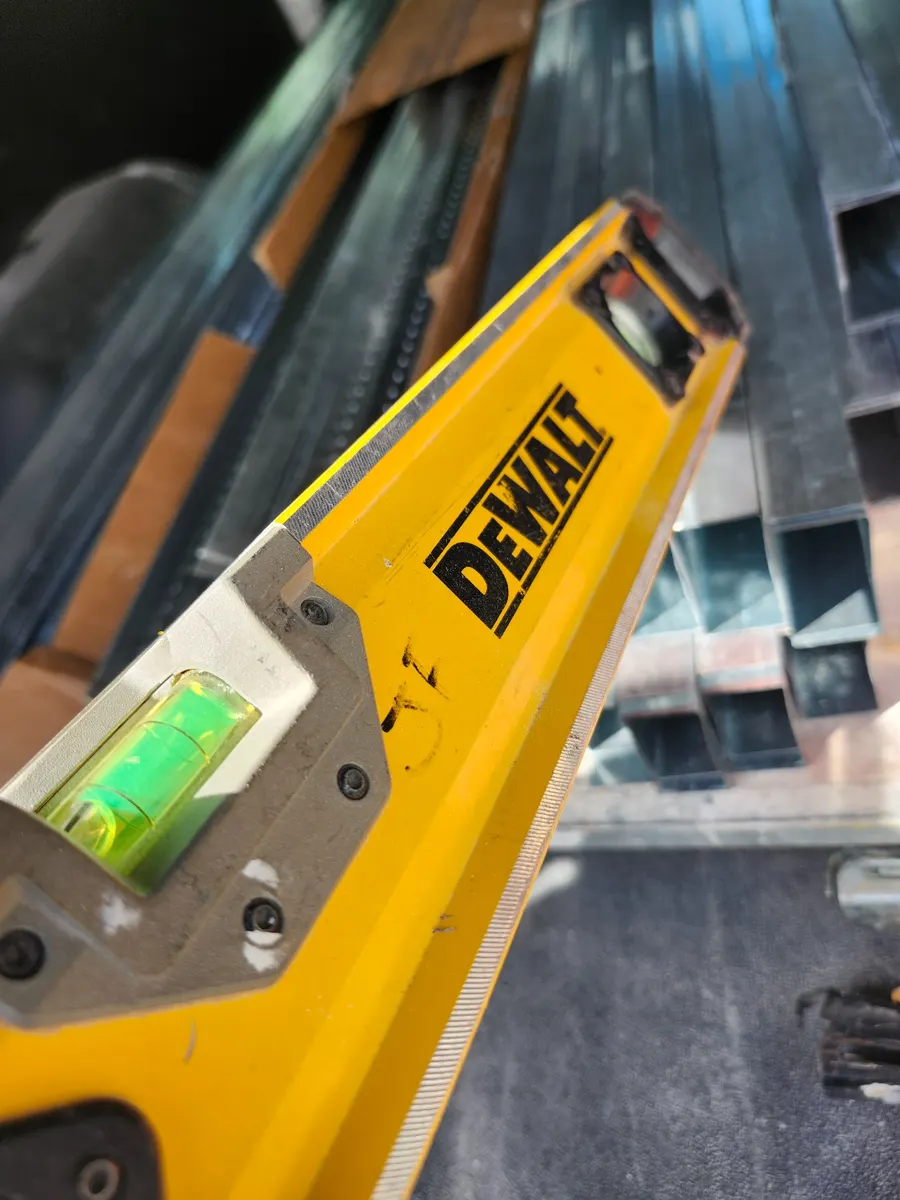 CHECK IT PHYSICALLY
When the math becomes layout, this is the compact level I use to verify the work in the field.
View on AmazonTraining aid: This game is for quick construction-math practice. Always verify project dimensions, field measurements, drawings, specifications, and required tolerances before fabrication or installation. Terms & Disclaimer
CONSTRUCTION FRACTION PRACTICE
Training Mode mixes addition, subtraction, doubling, and halving with common tape-measure fractions at the level you choose. Arcade Mode starts at Apprentice and automatically moves through Journeyman and Expert as your score rises during a 60-second run. Halving can create one finer denominator, which is why Expert answers can reach thirty-seconds.
Convert the fractions before combining them, then carry or borrow one full inch when the fractional result crosses a whole.
Double the whole inches and the fraction, then reduce and carry any fraction equal to or greater than one inch.
When the whole-inch number is odd, move one inch into the fraction before dividing the complete measurement by two.
These are the same operations used when finding centers, combining offsets, laying out repeated pieces, checking clearances, and cutting material from chained dimensions.
WORKED EXAMPLE
Keeping a common denominator makes the answer easy to check on an actual tape.